










Hard chrome plating is a key part of hydraulic cylinder maintenance. Cylinder rods that have been used for a long time will always show a certain degree of wear on the hard chrome surface, which means that when the cylinder is restored to the best working efficiency, it is best to re-chrome. This articleZhongyou Heavy IndustryBring8 common hard chrome plating problems that should be avoided during hydraulic cylinder rod maintenance.
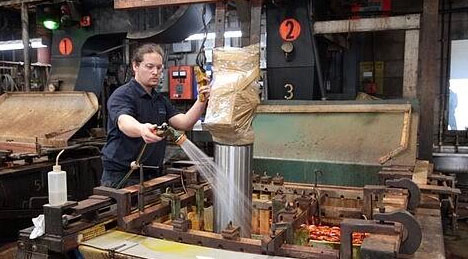
However, hard chromium plating is a highly specialized process that involves chemical, metallurgical, mechanical skills, deep knowledge and extensive experience. There are many reasons that can go wrong-from poor electrical connection to poor bath chemistry, incorrect pre-sanding plate grinding or incorrect placement and jigging.
When things do go wrong, it manifests itself as a defect in a hard chrome surface. This usually means that the cylinder rod will not meet the requirements. Poor chrome plating work will inevitably damage other hydraulic cylinder components, such as seals, leading to rapid failure.
With this in mind, here are 8 common hard chrome plating problems that should be avoided when repairing hydraulic cylinder rods.
hard chrome plating defects:
1) Dull/milky white sediment:
There are many reasons for the poor appearance of chromium, but the most common reason is the mismatch between the current density and the bath temperature. This condition may also indicate the presence of chlorides and metallic impurities, such as iron and copper, in the plating bath.
2) Accumulation:
Burning chromium deposits are usually found near the high current density region of the cylinder rod. When the current density is too high, chromium deposits quickly. In the areas that receive the most current, this effect is amplified-resulting in the accumulation of chromium deposits, usually on the edges or ends of the cylinder rod.
3) Poor or partial coverage:
Poor coverage refers to the "leakage" on the plated parts ". These may be small pieces of unplated metal or larger portions that have not yet been plated. The most common cause of partial coverage is poor chemical reaction. Electrical connection problems may also cause this situation-such as poor or intermittent contact between the part and the frame and/or a frame that cannot deliver sufficient current to all areas of the part during the plating process. This situation is exacerbated during long plating cycles. In all cases, poor or partial coverage of the hydraulic cylinder piston rod repair is not acceptable.
4) Poor adhesion:
Poor adhesion refers to the peeling, blistering or lifting of chromium deposits from the parent metal. This is due to the weak bonding between the chromium and the underlying surface. This is usually caused by improper surface treatment. During the electroplating process, chromium is deposited on the base metal of the cylinder rod (usually a pre-plated part). If the surface is not properly prepared, trace metals, oils and contaminants may be present during electroplating. When chromium is plated on the existing chromium, the problem of poor adhesion often occurs, and the chromium is not removed during the pre-grinding process. Current interruption is another cause of poor adhesion.
5) Roughness:
Rough chrome work is often the result of poor base metal conditions. Other finishes such as copper tend to fill holes and scratches in base metals, resulting in a smooth and level surface, while chromium tends to follow the contours of the metal. This means that any defects will be exaggerated, not eliminated. In addition, these raised areas will attract more current, resulting in more chromium deposits at that location, which makes the problem worse. The end result is an uneven, rough surface finish.
6) Pitting:
Pitting is a common problem characterized by the presence of too many small pinholes on the chromium surface. There are many potential causes, which make it difficult to diagnose and treat. Sometimes base metals are porous. Foreign matter not removed during the pre-plating preparation also causes pitting. Insolubles suspended in the bath during electroplating have the same effect.
7) Too many micro cracks:
Microcracking is a normal part of the electroplating process. As the chromium builds up, it creates tiny cracks, which are then covered by the next layer. Microcracks are a desirable result because small cracks provide channels for lubrication, which helps reduce friction. However, excessive microcracking increases the surface roughness beyond acceptable limits. Changes in temperature and the proportion of chromium sulfate play a role in the extent to which microcracking occurs.
8) Mud crack:
The rough cracking of the chrome surface is called "mud cracking" or "chicken wire cracking" because it is similar to dry and cracking mud, or the irregular hexagonal mesh of chicken wire. Slurry cracking is usually caused by incorrect grinding techniques-including the use of incorrect grinding wheels, incorrect grinding speed, excessive grinding depth, or incorrect or incorrect grinding fluid. The large amount of cracking seriously impairs the surface finish and reduces the corrosion resistance of the cylinder rod.
The importance of hard chrome quality to the maintenance of each hydraulic cylinder rod:
The quality of the hard chrome finish of the hydraulic cylinder rod is critical to its performance. Although some of these defects are easy to identify, others may require an experienced eye. Some problems may cause the repaired hydraulic cylinder to fail immediately, while others will shorten its service life and make it more susceptible to corrosion. With such a technical process, and there are many possibilities for error, it is very important to choose a reputable hard chrome plating equipment to enjoy the confidence of high-quality maintenance.
Zhongyou Heavy Hydraulic Technology Advantage]
Zhongyou Heavy Industry in strict accordance with the ISO international standard quality management system and 5S management standards for quality control and internal management. The "Henan Province Fluid Pressure Forming Intelligent Equipment Engineering Technology Research Center" has been established. The core team is composed of dozens of doctors, masters and metal forming experts and professors from various colleges and universities, focusing on the research and development of hydraulic forming core technology and product process.
Zhongyou Heavy Industry has carried out long-term production, learning, and research cooperation with the Institute of Metals of the Chinese Academy of Sciences, Nanjing University of Aeronautics and Astronautics, and jointly established a "Hydroforming Technology Industrialization Demonstration Base" to track domestic and foreign technologies and continuously improve "Zhongyou Heavy Industry" hydraulic equipment brand value.